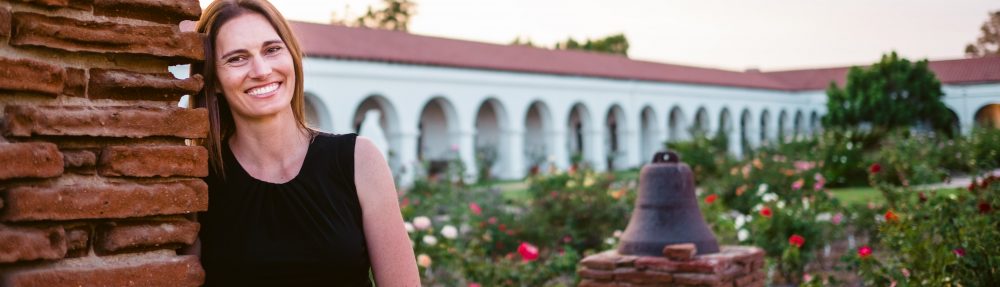
I am a sociologist of Catholicism, exploring this tradition through a variety of lenses including civic engagement, parish life, priestly wellbeing and burnout, campus ministry, Catholic sisters' ministries, stewardship and more. I am a Visiting Research Fellow at Villanova University's Center for Church Management. I am a Research Affiliate at the Center for Religion and Civic Culture as well as the Institute for Advanced Catholic Studies, both at the University of Southern California. My previous research or advisory affiliations include the Center for Applied Research in the Apostolate at Georgetown University, the Center for Church Management at Villanova University, the Center for the Study of Religion and Society at the University of Notre Dame, the United States Conference of Catholic Bishops and The Catholic Project at the Catholic University of America. My writings on American Catholic life appear in both Catholic and academic publications, including Catholicism at a Crossroads: The Present and Future of America's Largest Church (NYUP 2025).
This week we had the first meeting of the Diaconate Advisory Board for the Diocesan Institute and the Office for the Permanent Diaconate. We’ll be exploring the diaconate program to ensure the formation aligns with what we need from our deacons and very much has a synodal feel to it. It is a role in which I am most pleased to serve our local Church (and I really enjoy the team, as well!).
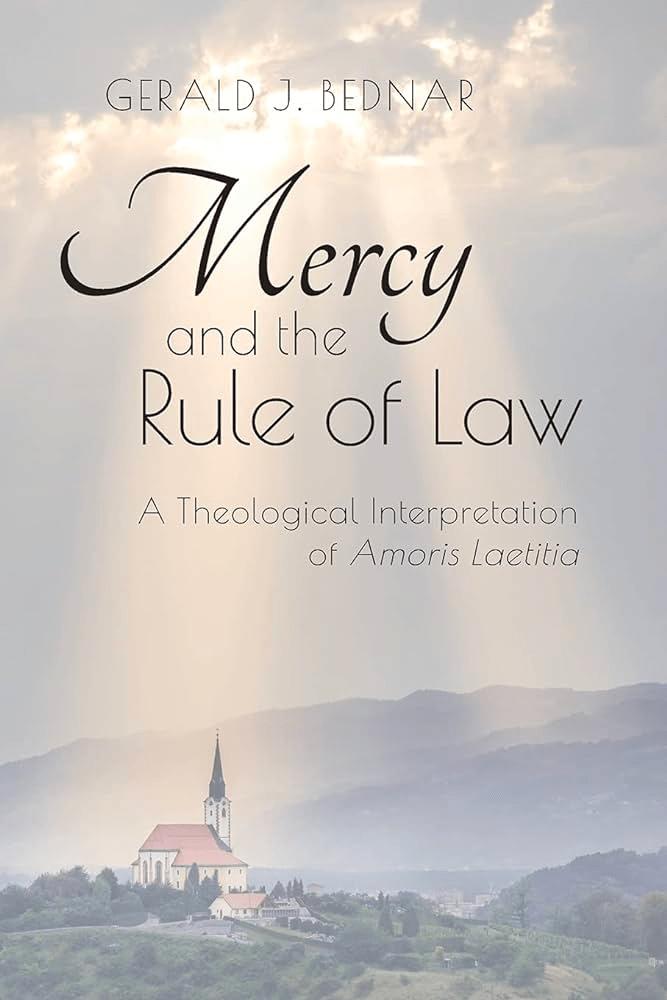
Congratulations to Gerald J. Bednar for his fantastic new book, Mercy and the Rule of Law: A Theological Interpretation of Amoris Laetitia. Bednar does a great job of illuminating Church teaching and pastoral practice in light of Pope Francis’s exhortation, The Joy of Love. There has been a lot of concern among some Church leaders and understanding what accompaniment looks like; at its worst, this debate has resulted in a sort of factionalism among leaders, with some claiming allegiance to one pope over and against others. Bednar does a beautiful job of showing the unity of the last three popes’ approaches to ministerial questions around marriage as well as their continuity with the history of the Church. A must read for pastoral theology courses! My review is in the latest issue of the Journal of Catholic Social Thought. I’ll close by including an excerpt that suggests appropriate audiences for the book:
It would be an excellent book in a Catholic ethics course-graduate or undergraduate~for professors wanting students to think through the pastoral application of Church teaching. It should be high on the list of required reading for those seeking careers in ministry, both lay students and seminarians. This book would be helpful for Church leaders in thinking through their own implementation of Amoris laetitia, as well as their demonstration of the continuity of this document with Church teaching historically. Further, Bednar’s thinking on the connection between mercy and law has implications for a wide variety of pastoral questions, far beyond simply the divorced and remarried that he focuses on for this book. In sum, this is an excellent book that I highly recommend for students, leaders, and scholars.
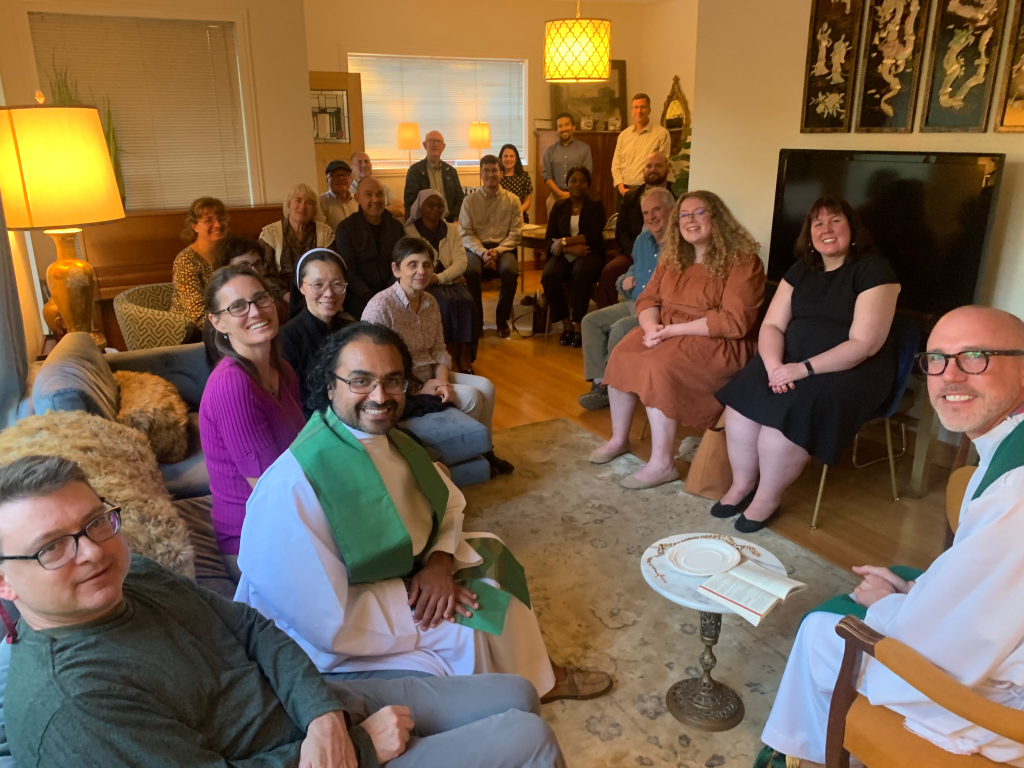
I just got back from the annual conference of the Society for the Scientific Study of Religion and the Religious Research Association. It is always a great time, but this year we took it to “amazing” when Lucas Sharma, Paddy Gillger and I hosted Mass and a wine and cheese gathering. It was a really lovely event and I hope you can join us next year in Pittsburgh when we do it again!
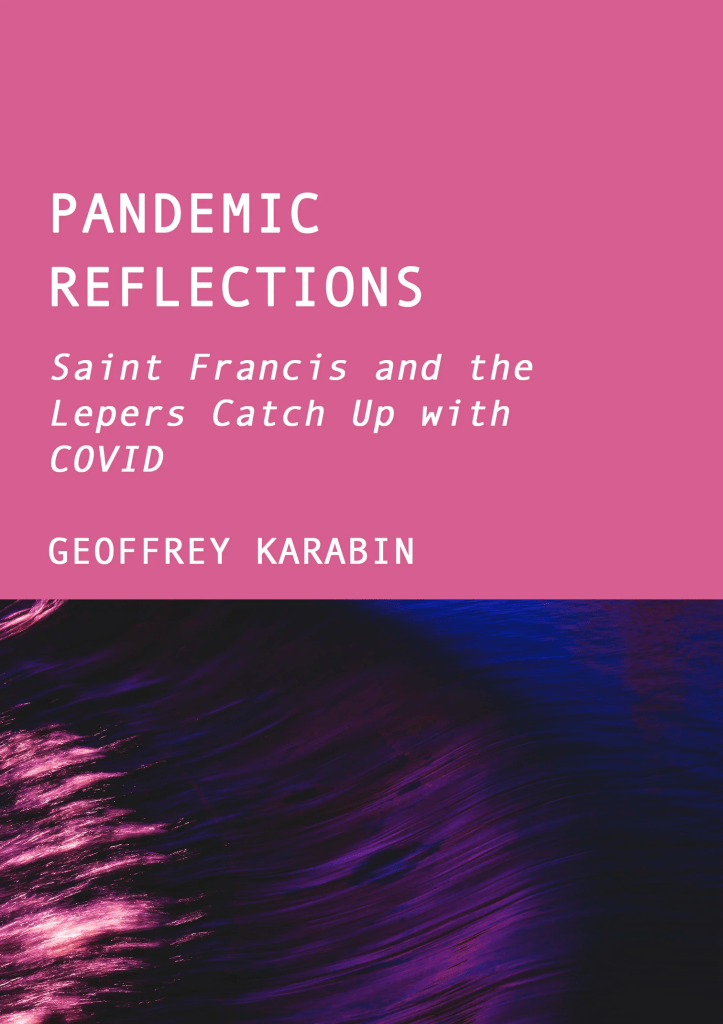
I am a few days late getting the news to you, but on the Feast of St. Francis, Dr. Geoffrey Karabin’s book, Pandemic Reflections: Saint Francis and the Lepers Catch Up with COVID, was released! It is a great collection that explores the connections between St. Francis’s encounter with the leper and our recent pandemic. The back cover blurb reads:
St Francis of Assisi, one of the most acclaimed and enduring of saints, is particularly significant when reflecting upon the COVID pandemic. Francis lived, and ministered, amid a leprosy pandemic. How he lived in relation to that pandemic makes him a source of insight to as well as a potential critic of contemporary responses to COVID. In turn, one can use COVID to question Francis. Did he exhibit a harmful form of religious devotion, perhaps fanaticism, by exposing himself and others to a lethal pathogen? This edited collection examines a highly visible and impactful religious figure with the intent of bringing him into conversation with one of the defining issues of the early 21st Century.
I was very happy to contribute a chapter that explored the ways the pandemic unfolded in Africa–which revealed a lack of justice and mercy from the global community–as a contrast to Francis’s encounter with the leper. If you order it from the publisher’s website, you can use the code FRANCIS33 to receive 33% off. Enjoy!
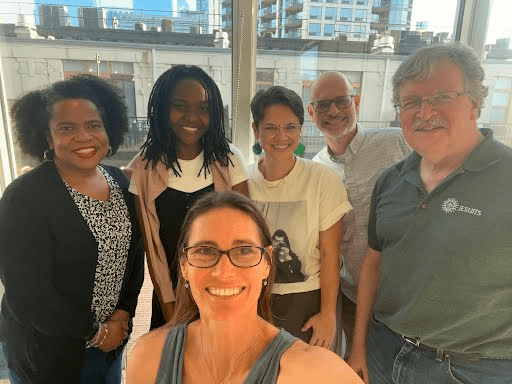
What a fascinating and generative discussion I had this weekend in Chicago with Drs. Bill Clark (Holy Cross), Brett Hoover (Loyola Marymount), Tia Pratt (Villanova), and Susan Reynolds (Candler/Emory) and student Gaby (Northwestern). We enjoyed a deep dive into one another’s research; so many brilliant questions to illuminate both research and applied insights! This Parish Researchers Gathering was part of the National Conversation on Shared Parish Life, generously funded by an anonymous donor. I look forward to the ways this research and our ongoing conversations will strengthen parish life and the American Catholic experience more broadly.
I’m so happy to announce that I am working with Liturgical Press on a book that explores the beliefs, practices and ministerial possibilities for engaging Catholics who attend Mass infrequently. The working title is Cultural Catholics: Who They Are, How to Respond and will use the most recent wave of the American Catholic Laity survey. In analyzing the self-reported attitudes and behaviors of over 1500 Catholics, this book allows us to compare the 53 percent of American Catholics who attend Mass “a few times a year” or less often with more regular Mass attenders, offering ministerial insights for reaching out to Catholics who are less engaged with parish life.
This book will explore how cultural Catholics understand and enact their Catholic identity, their political and civic beliefs, their experiences in parish life and thoughts on Church leadership. It is geared primarily for parish, campus and diocesan leaders who want to cast a wider net in their accompaniment and ministerial offerings and will likely be a useful read for a variety of ecclesial leaders.
The American Catholic Laity Study team is happy to share that we have a contract for our book with NYU Press. This is the sixth book in the series of surveys that William D’Antonio started in the late eighties. This round we are also incorporating interviews with about 60 Catholic leaders (e.g., bishops, employees at the USCCB, public influencers, leaders of lay apostolates, etc.). Drs. William D’Antonio, Michele Dillon, and Mary Gautier oversaw the survey aspect of the research and Drs. James Cavendish, Paul Perl and I are taking the lead in the interviews. We’re quite far along in the writing process and will have a manuscript–tentatively titled Catholicism’s Crossroads: The Present and Future of America’s Largest Church–to NYU Press by January… probably sooner. The six main themes of the book are Church, authority, race, citizenship, sex and family, and future.
We’re unearthing some great insights for both scholars and Catholic leaders… really for religious leaders broadly as many of the challenges Catholicism faces are not unique to Catholicism. Stay tuned for updates!
I just wanted to update you that elections for the Religious Research Association closed yesterday and I’m happy to announce that I was elected to serve on the Nominating Committee. In this role I’ll help make sure that our organization puts forth quality candidates that not only excel in our field, but also represent the breadth of our membership in racial and ethnic diversity, gender, denominational focus and more so we can ensure that our leadership is amazing and represents the many concerns and perspectives of our members.
I have benefitted so much from the “and how can we apply our research” focus of RRA and look forward to giving back in this capacity.
I’m more than a little excited to be partnering with the University of Southern California’s Center for Religion and Civic Culture! This center does some amazing work examining the intersection of religion, civic engagement, social change, personal and institutional thriving and more. I’ll be working with them on a variety of projects that connect to Catholicism, from Catholic sisters to formation to climate change. It’s an exciting collaboration that will include a trip to London and Oxford at the end of the month to meet with similar organizations and scholars and explore international collaborative opportunities. This will be my first trip to the UK and I’m thrilled to help make this important work happen.
Spring is here and along with the blossoms comes the Spring issue of The Way. Here you’ll find my latest contribution, “Franciscan Roots of American Catholic Social Justice Ministry.” It shows the way American social ministry was informed–wittingly or not–by key elements from the Franciscan Tradition: transformation, Christ, community, mercy, compassion, and gift. I hope it gives you some thoughts and inspiration for bringing some healing to our world!